Simba Sleep
Better sleep
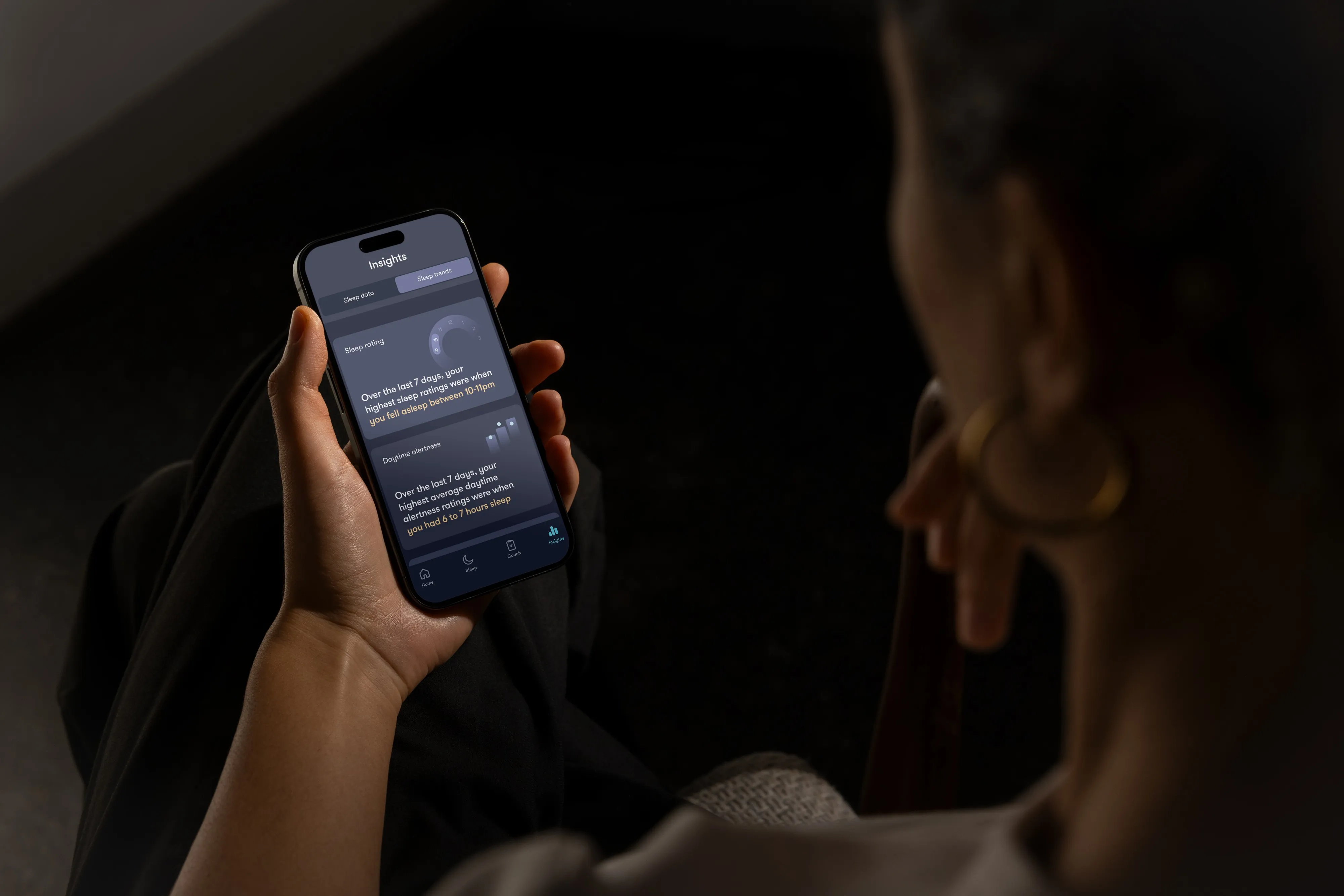
Better, healthier days equal better sleep. That was the ethos behind the app we designed at Simba. The UK-based mattress innovators wanted to complement their physical products with a digital companion that would double down on giving customers the best possible sleep. We wanted to create a new kind of sleep app that did away with over-obsession of tracking and instead helped people genuinely get a better night’s sleep.
We designed an app that smartly suggests sleep-enhancing habits. To understand how a user is sleeping the app simply asks ‘How do you feel you slept?’ and ‘How awake did you feel today?’. Whilst self-reporting can have its drawbacks these two data points are considered to be the most reliable indicators of sleep quality.
The result is an app that is the antithesis of your typical quantified-self data tracker. One that warmly motivates users to adopt new habits conducive to better sleep, educates them on the science of sleep and helps them improve their sleep for good.
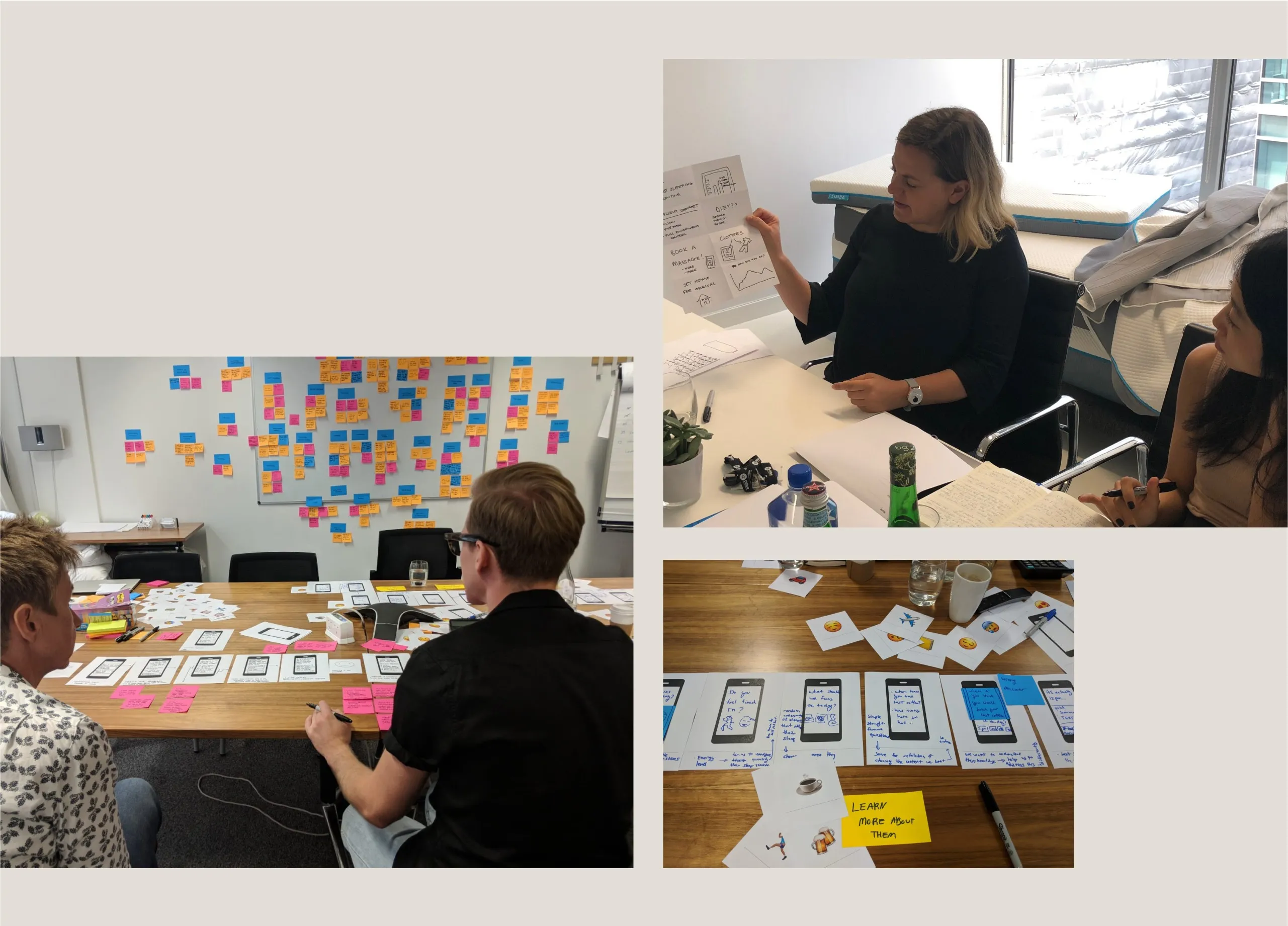
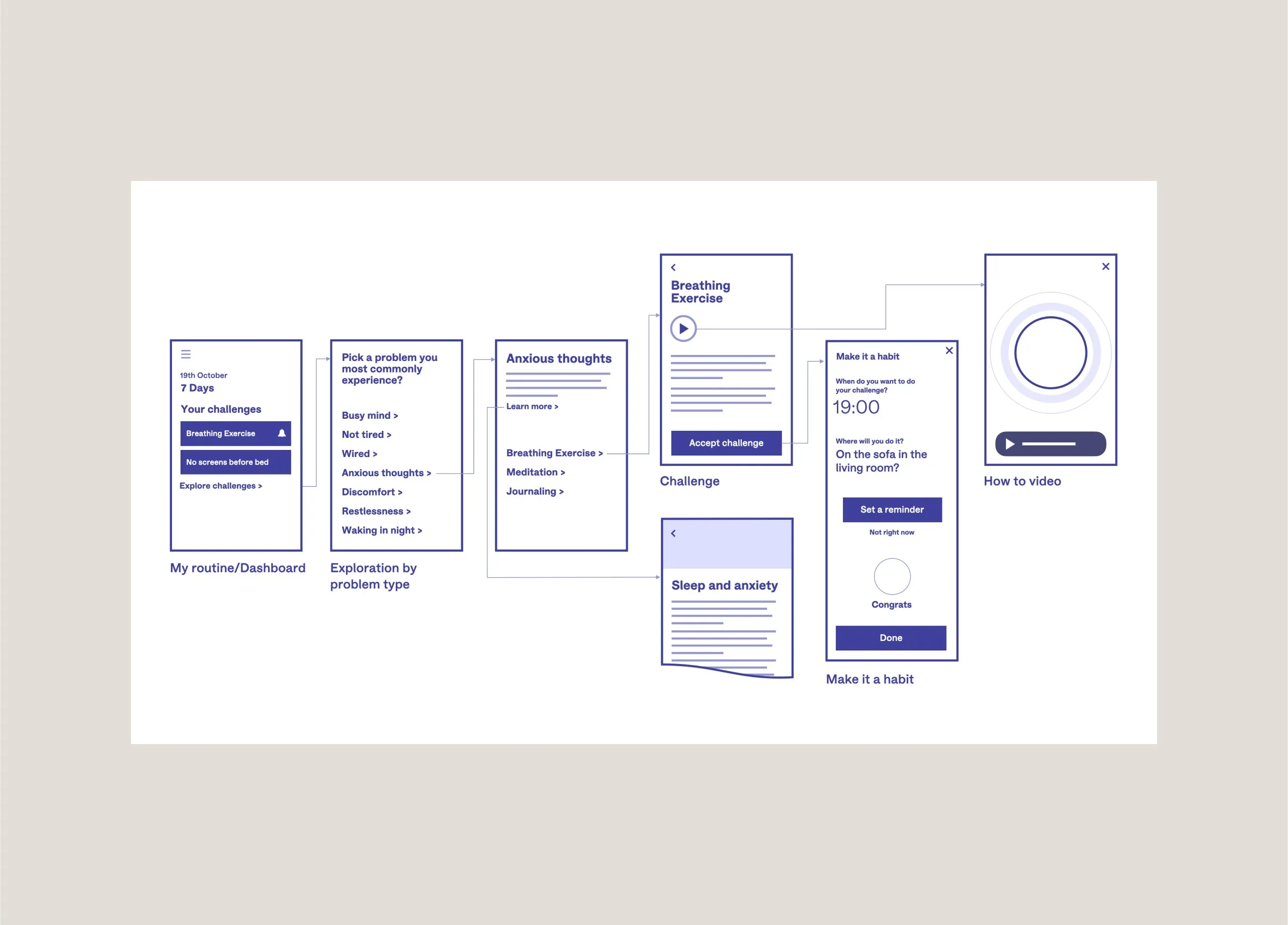
Workshops brought together a diverse set of minds to explore approaches, we consulted with subject matter experts who brought scientific rigour to our process.
We converged on the concept of a sleep coach app and began architecting the first version.
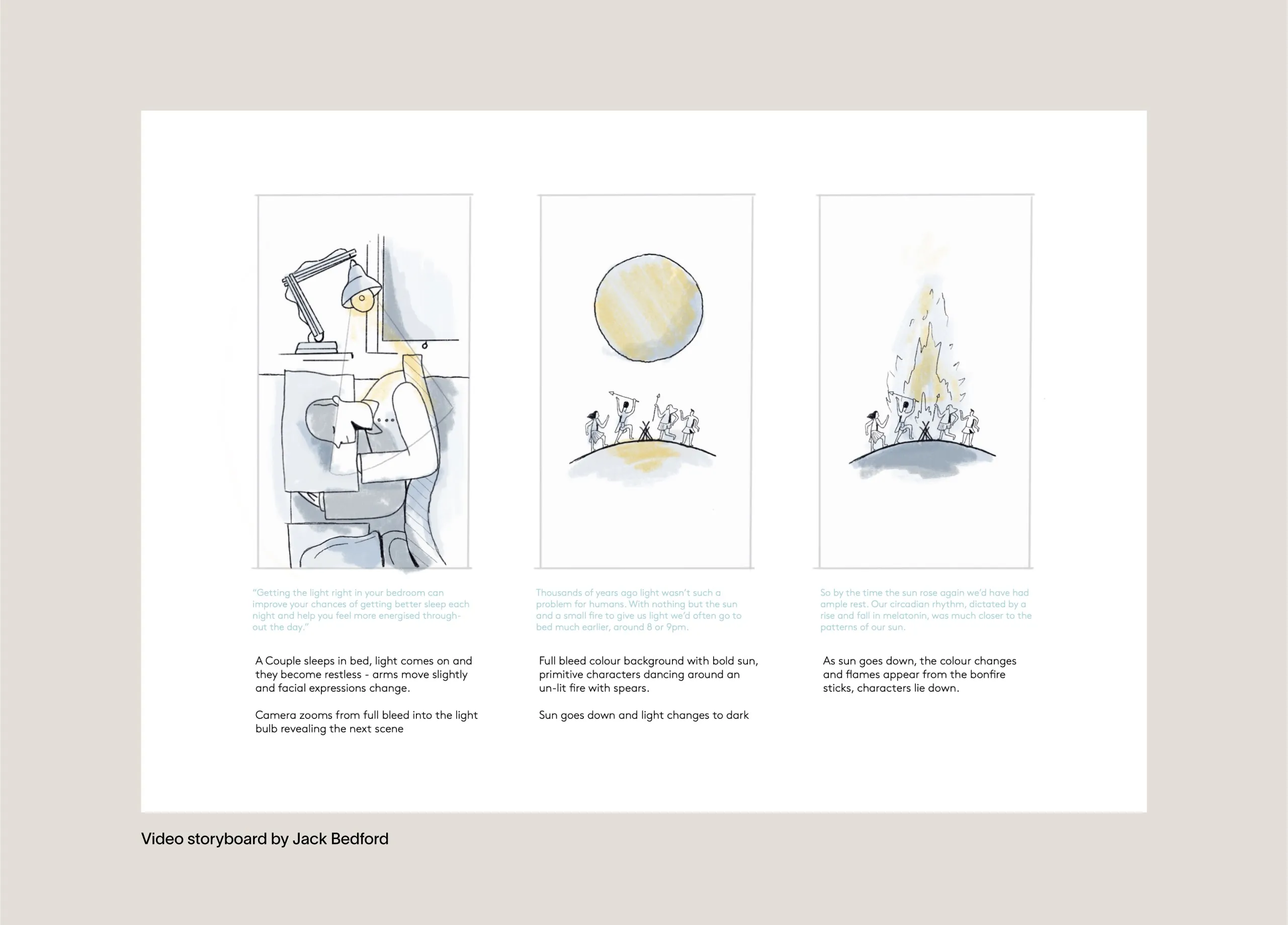
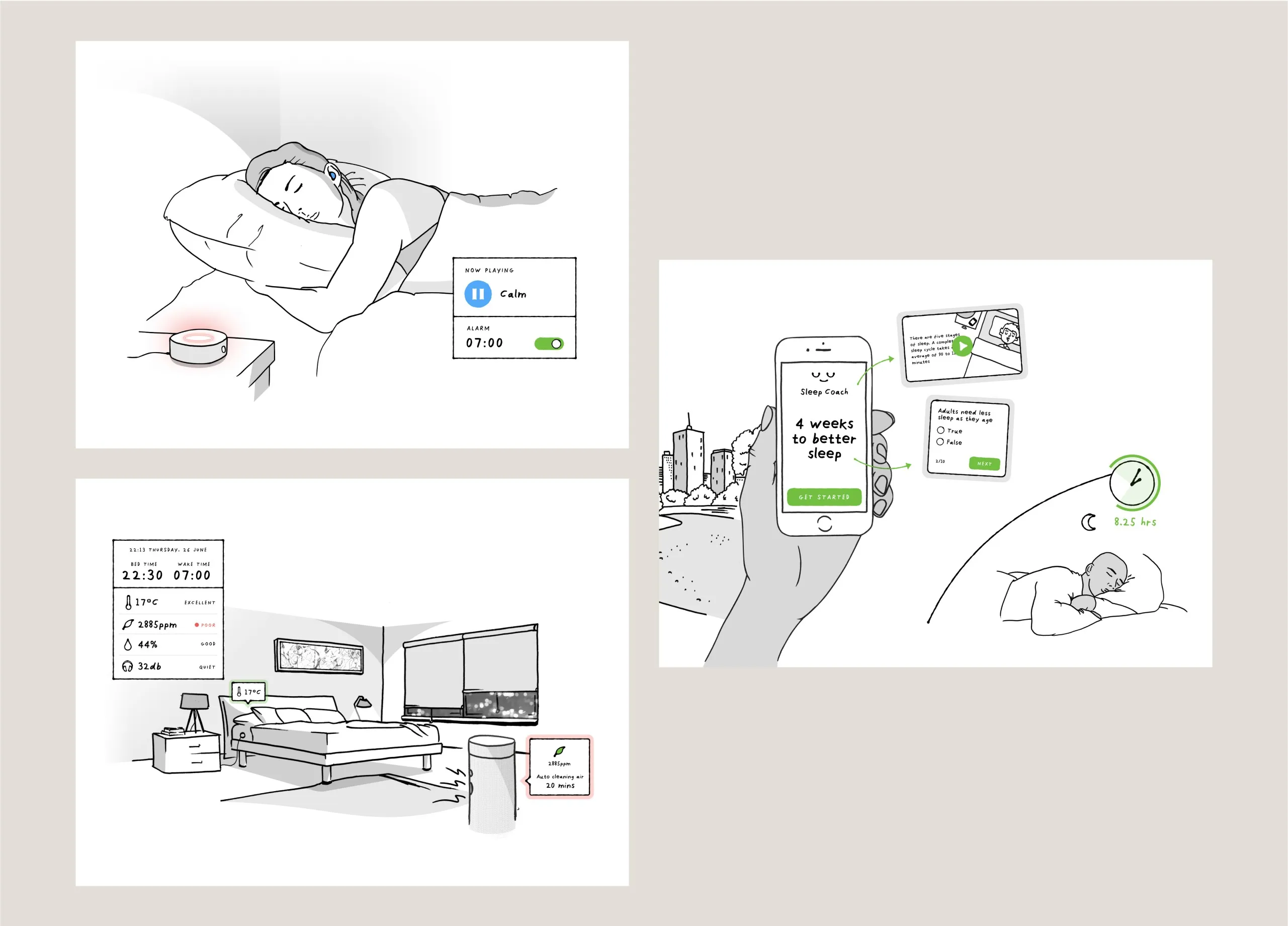
We worked with illustrator Jack Bedford to bring to life our concept. Particularly, the training modules within our ‘science of sleep’ course.
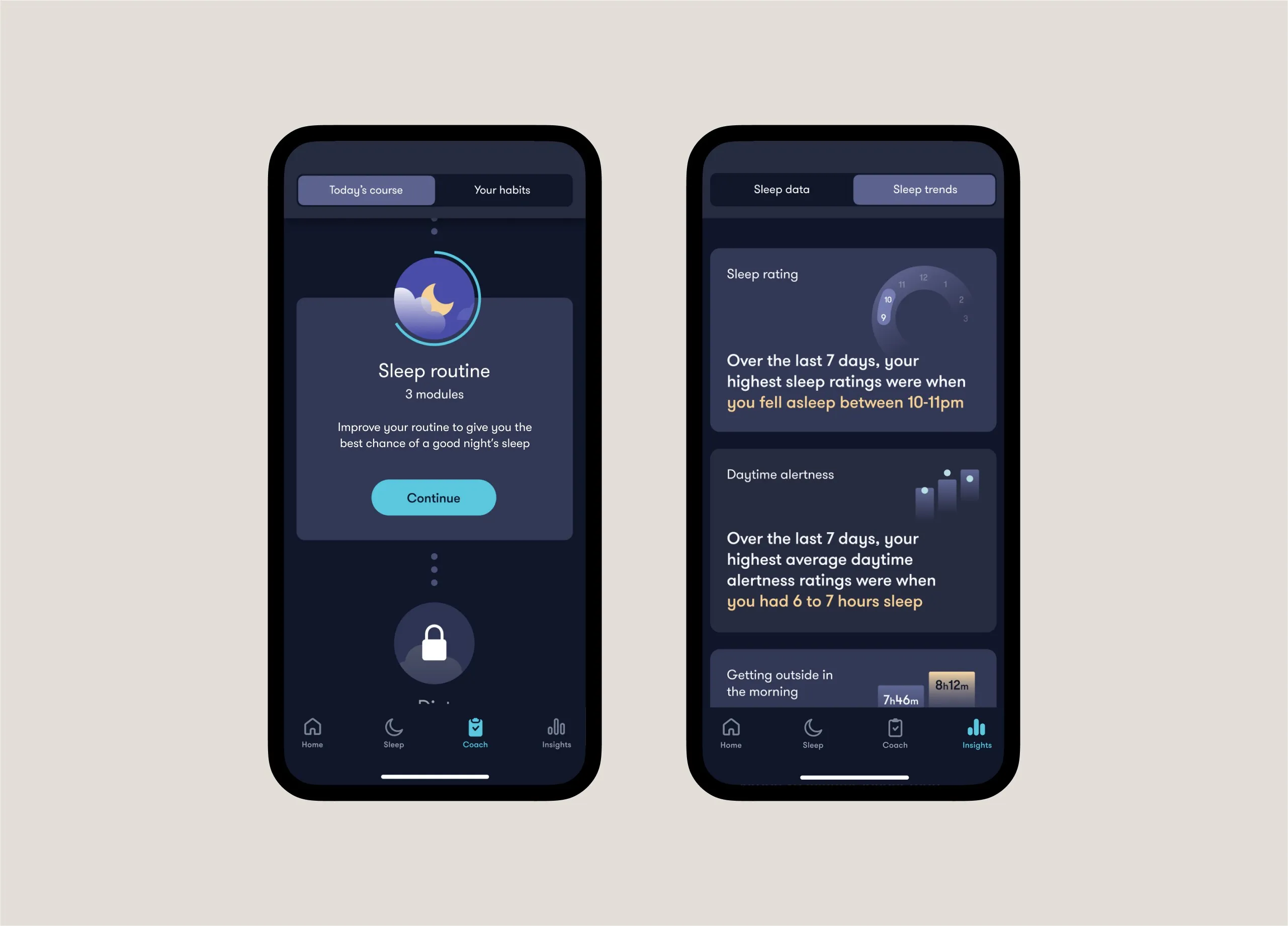
What made our app distinct was a grounding in behaviour change through coaching modules and plain spoken insights that did away with complex data charts.
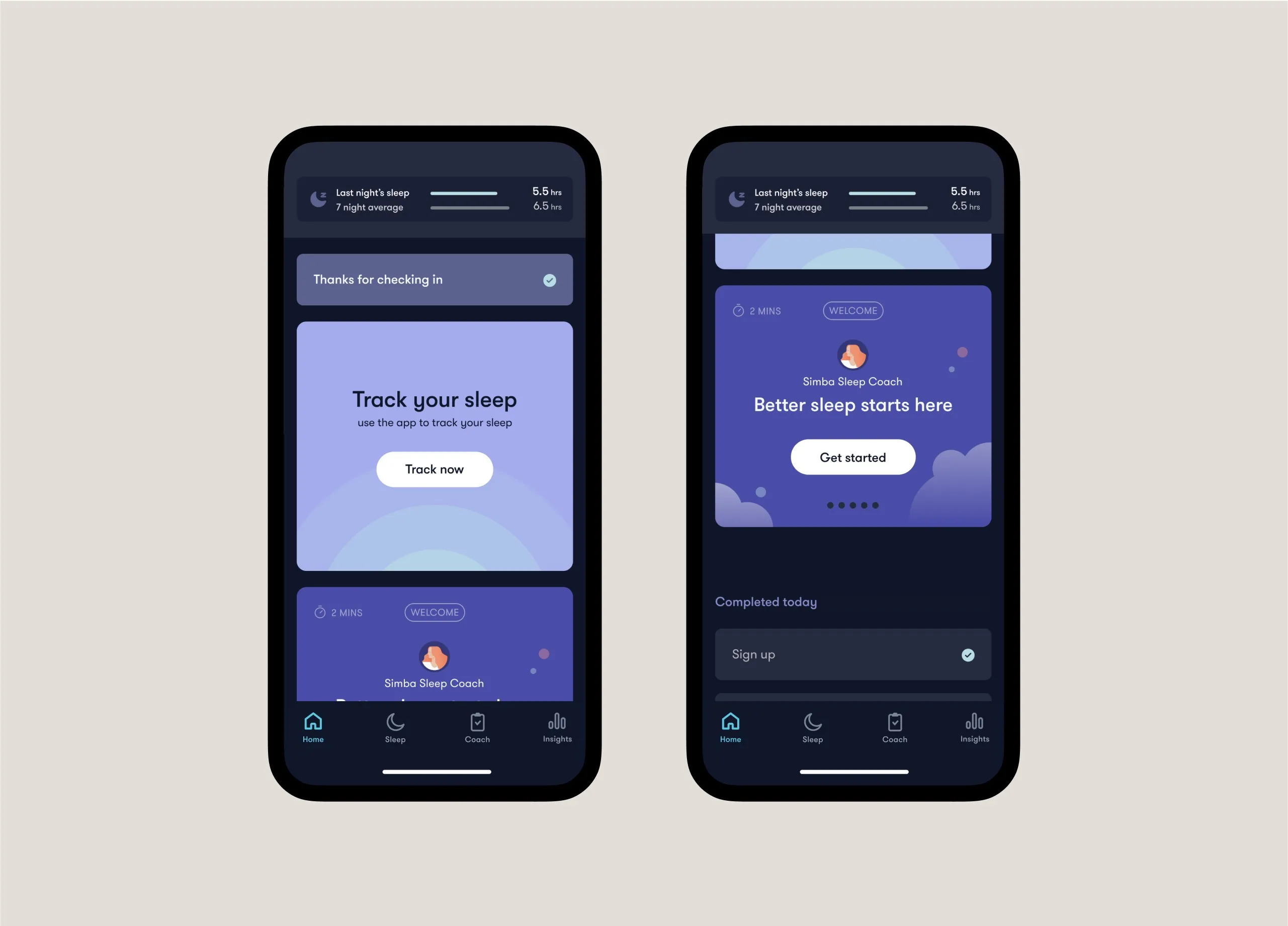
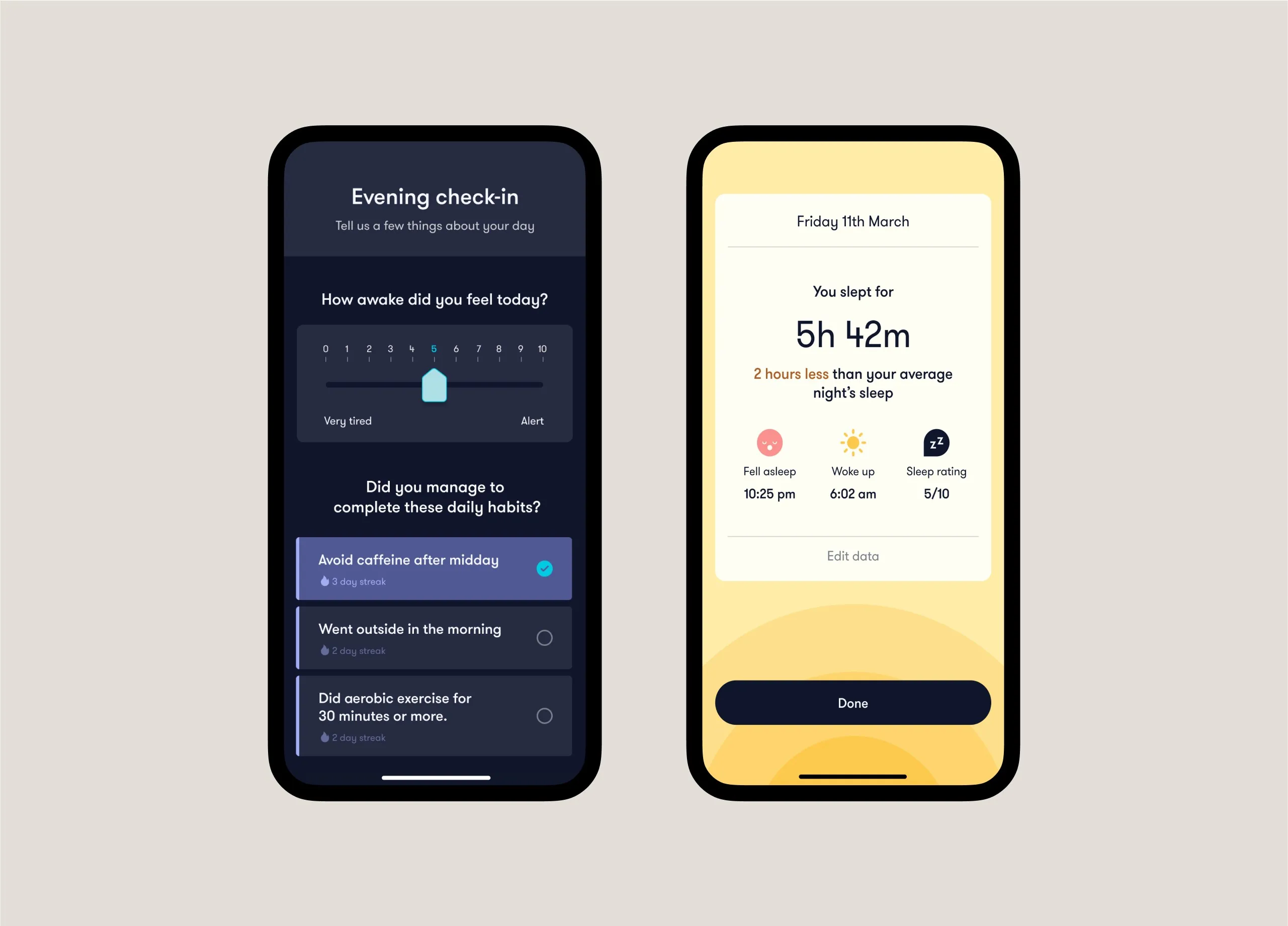
We reduced data entry burden and the need for complex tracking technology by creating a quick and effortless ‘check-in’ to get just enough data.
Notes
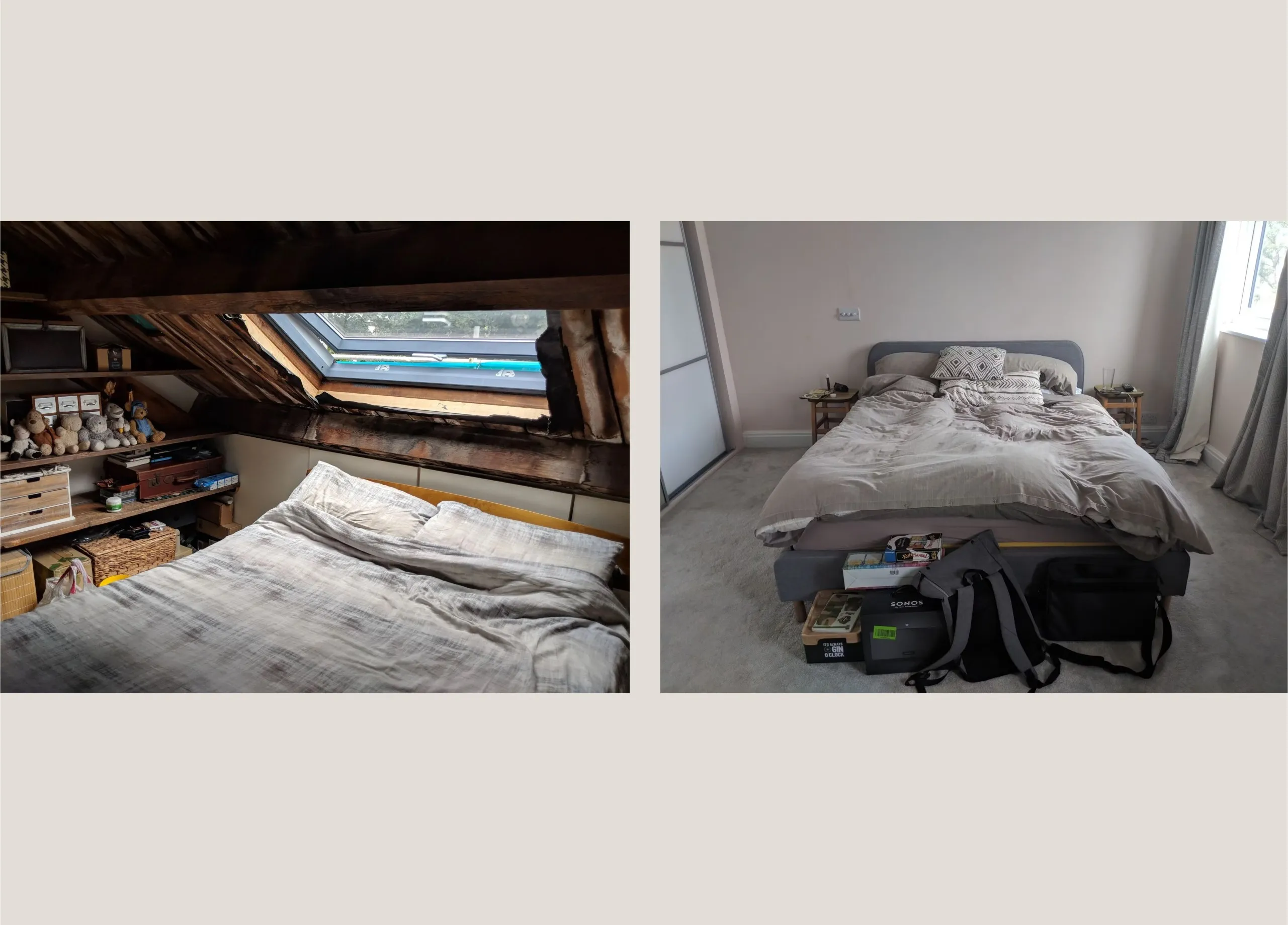
This was a project of two phases. We did a lot of research and early prototyping in the initial phase that culminated in a clear vision for the app. Initially, we started very broad exploring all kinds of tech-led approaches that might help people sleep better. We visited cities around the UK spending time with people in their homes to hear about the challenges they had sleeping and to see first-hand the tricks, methods, and tech they used to get a good night’s rest.
In the second phase we focused on executing the product. Part of which included the creation of a Science of Sleep course that would cement foundational knowledge within users’ minds. Those familiar with Noom will recognise this approach to behavioural change. Our course enabled us to convey the importance new habits, making habit adoption more likely. Each module focused on a different area of sleep-affecting habits across environment, exercise, screen time, diet and more.
Many users still expected a sleep app to be able to ‘track their sleep’. Whilst we offered that we also made it possible to self-report. This was based on how health experts treat people suffering with insomnia. The science is simply this, how well you felt you slept is the best indication of whether you slept well. With this in mind we designed a simple morning check-in to ask this question. On the evening we had a further short check-in that centred on the things they did during that day. Between these two datapoints we were able to get a clear understanding of whether users’ were improving their sleep.
Credits
- Sam Judge · Product Design
- Christopher Lewis · Product Management
- Karina Sakanaka · Research Lead
- Jack Bedford · Illustration
- James Cuddy · Product Design
- Tony Cross · Copywriting